Engineering Enlightenment with Laws of Form
(Laws of Form 2026 Conference, Cambridge University)
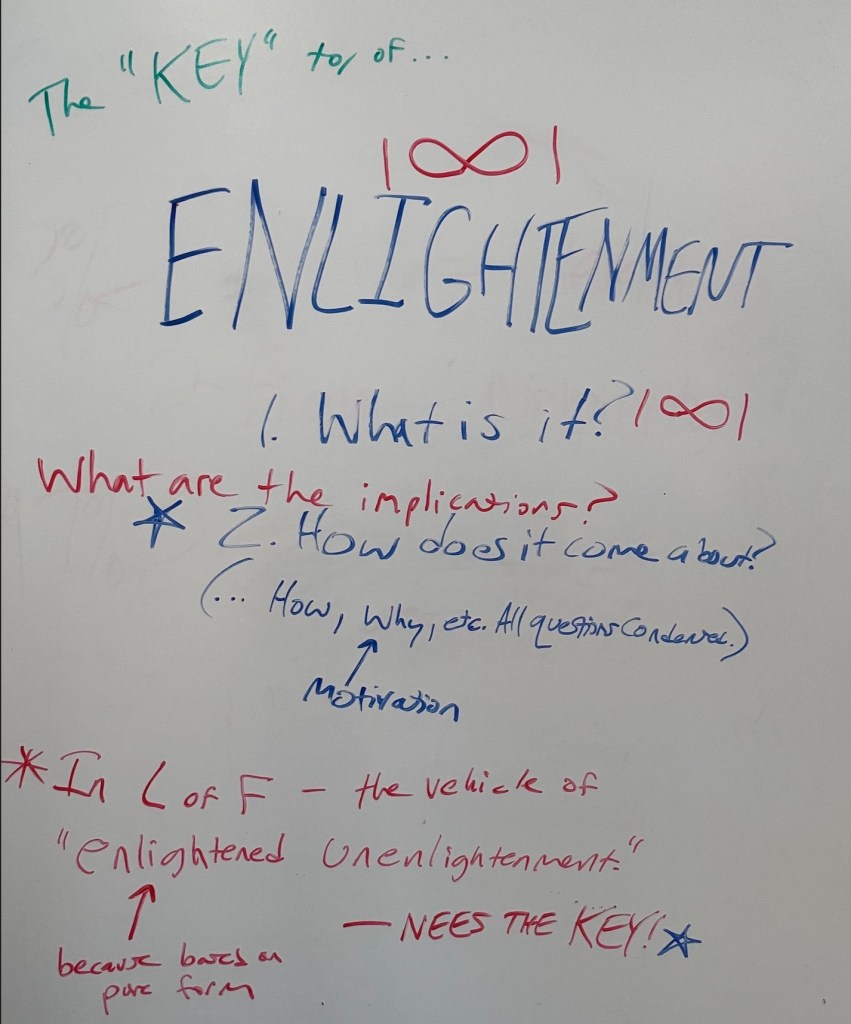
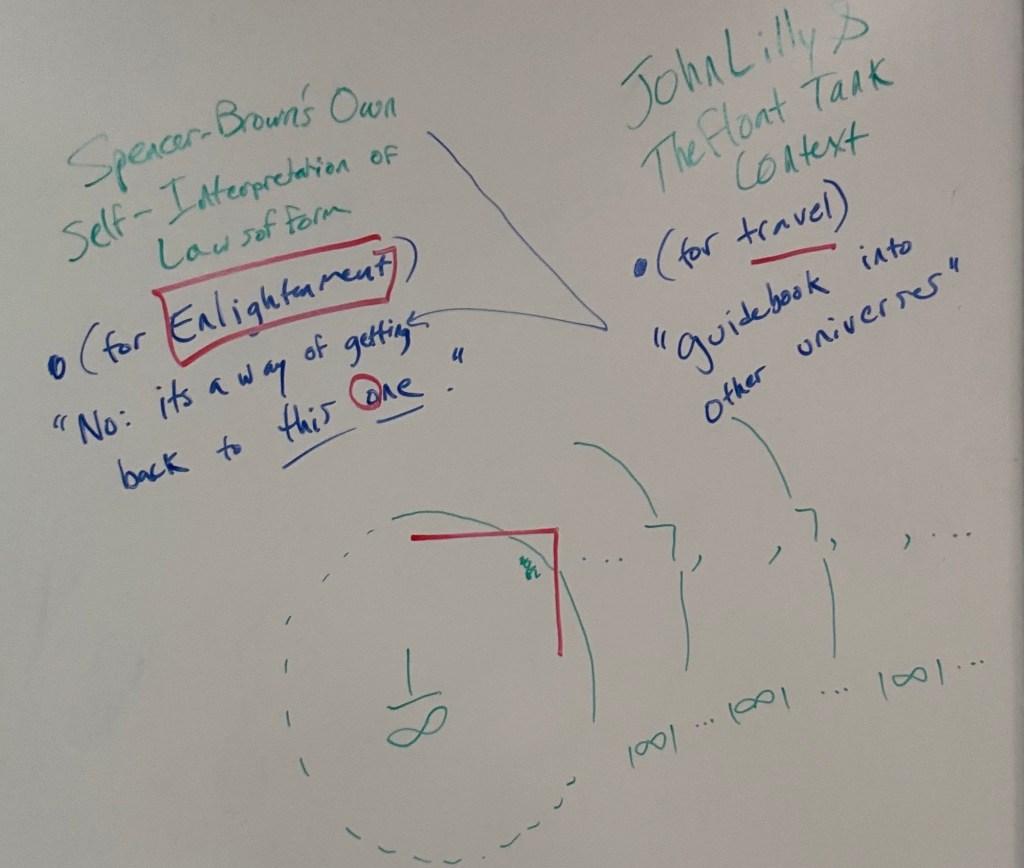
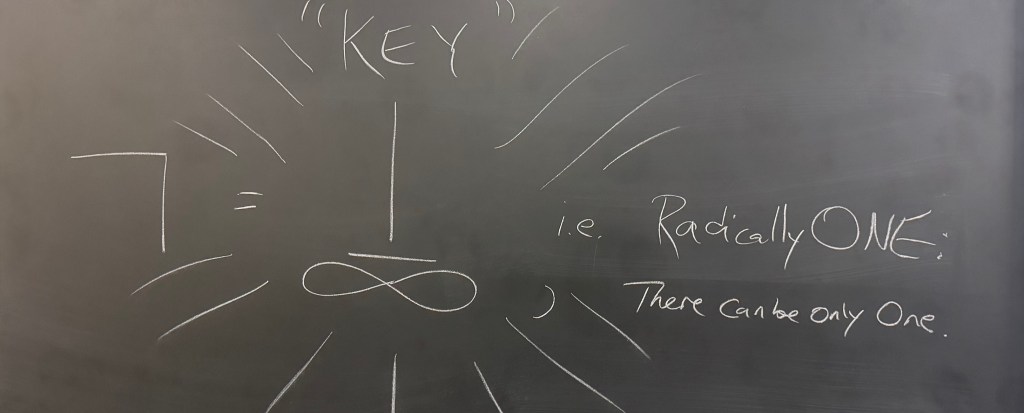
George Spencer-Brown used to say with no false humility that Laws of Form can be used as a vehicle for Enlightenment, “a celestial omnibus to enlightenment” (A Lion’s Teeth, 126). Since, agreeing with Wittgenstein’s Tractatus 6.43, the wide waking world of the Enlightened is altogether different from the world of the unenlightened, I would like to share what Spencer-Brown meant by regarding so highly his contribution of this vehicle, and then go into what he calls the “ignition key” (2023, 861) of this marvelous functional power of Laws of Form. But what I’m really doing is sharing what I see in Laws of Form, what I mean by affirming this power of Laws of Form. I am using Spencer-Brown’s vehicle as the formal skeleton —the crystalline calculus — of the universal science and ontology that he marks at the core of everything. This great power he unearths is also known as the mathesis universalis at and about the Center of the philosophia perennis. This mathesis universalis or scientia universalis is what the calculus of indications expresses. In the end, I will share a perspective on enlightenment as alignment with Spencer-Brown’s first distinction, which represents the paradigm shift to the universal ontology of the infinite sphere, which is a theory of absolutely everything. I will do this by recalling my original framework of a cybernetic metaphysical system for framing the true meaning of the first distinction, then chart this system’s development through integration with philosophy, and finally return to the metaphors of the vehicle of enlightenment and its ignition key in the context of the whole shebang.
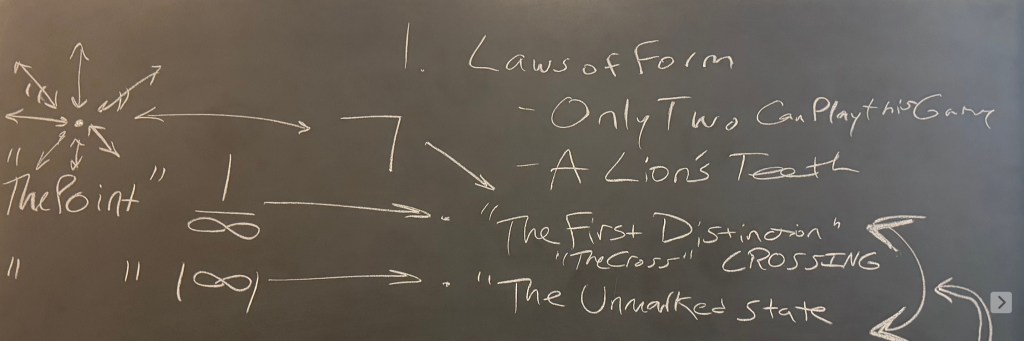
Laws of Form is a book of pure mathematics, but its magic is about the absolutely intimate relationship between the unmarked state and the first distinction. These entities are more magical than mathematical, and when illuminated by perennial metaphysics they can be seen to operate as a metaprogramming vehicle conducive to realizing Enlightenment, and with my contribution God-Realization.
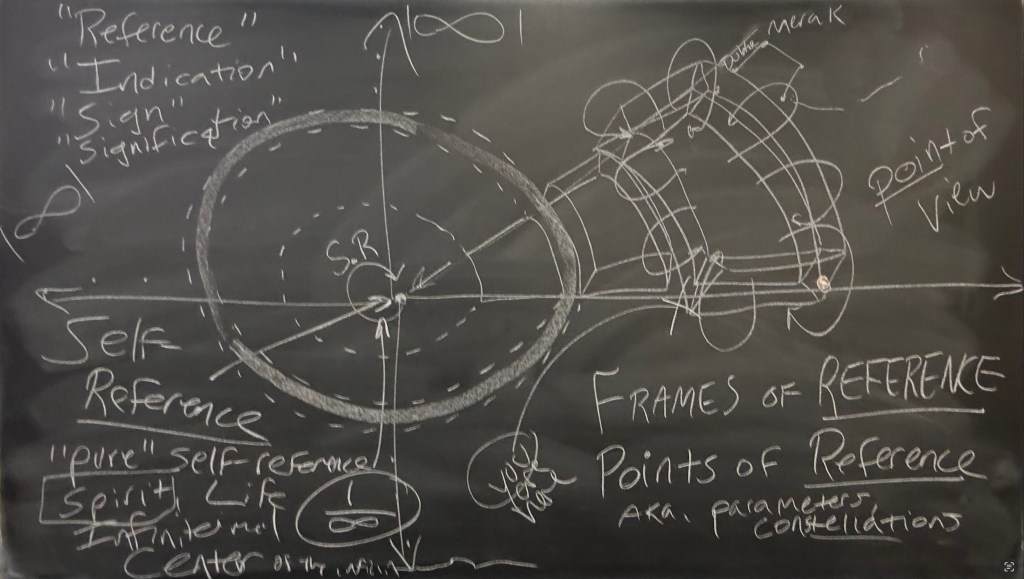
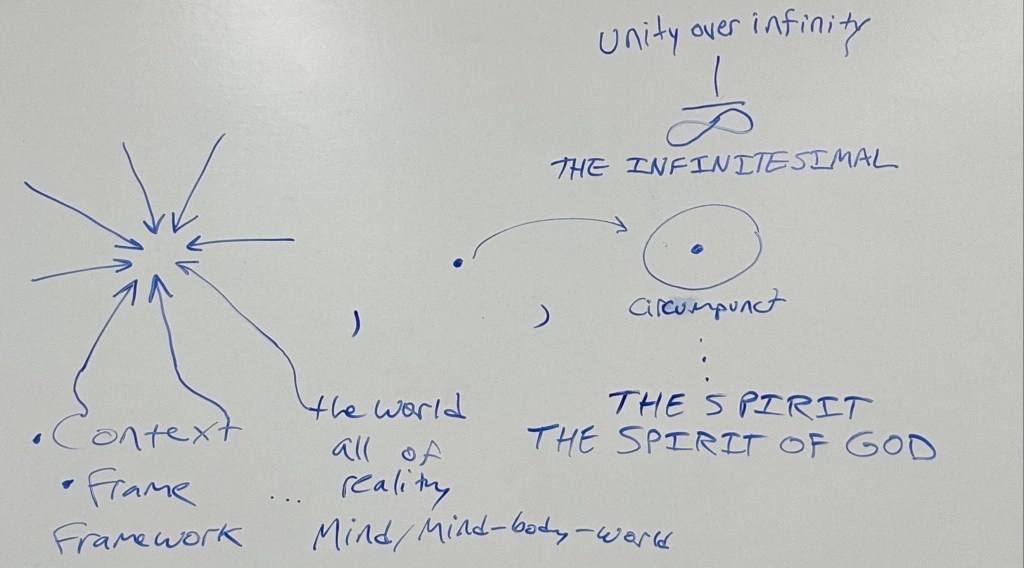
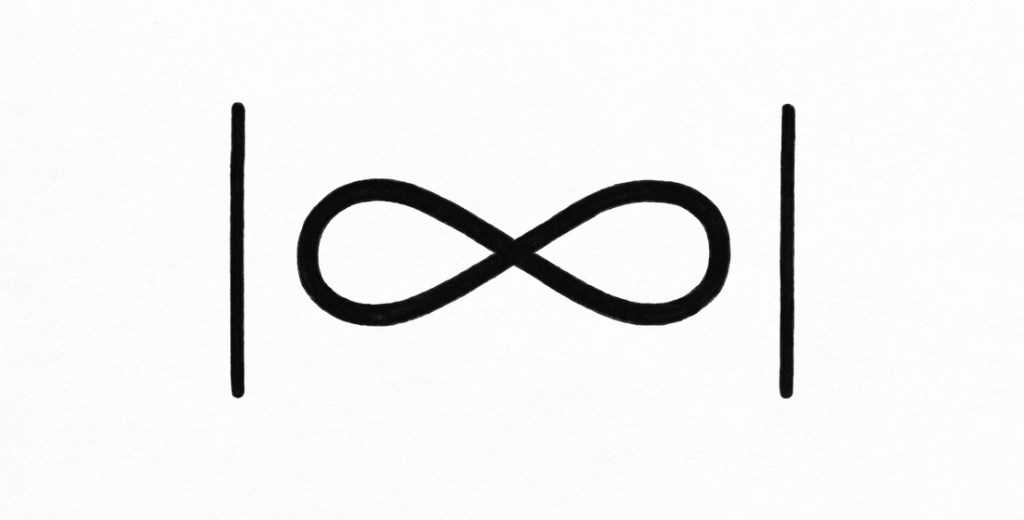
It all has to do with the infinitesimal point. This thing is the ignition key. It is the first distinction stripped of its formal poverty and seen in its proper place. The transmission of Enlightenment runs on the Absolute Infinite Ultimate Reality, or rather in it, at the Center of all Centers. At the Center of the Godhead is the Cognition of the First Distinction. This is just the beginning of this project of re-framing and raising Laws of Form up to the highest calling.

 randolphdible.com